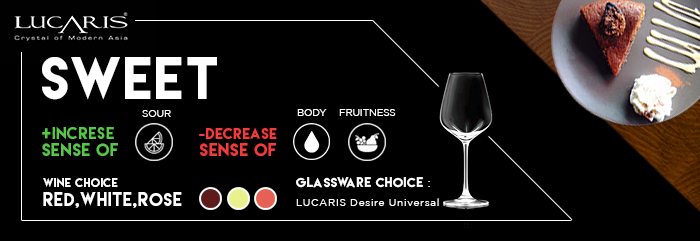
Valentine’s Day is around the corner, making us want to have some sweet talk with you! As you prep up to treat your partner to a delightful evening, we are here to help you end it on a sugary note. No date, on Valentine’s day or otherwise, is complete without the serving of a delectable dessert or a crisp wine by the side. While there are many points discussed about how to pair your dessert with a perfect wine, here is our guide to create some lovely dessert and wine combos for your love!
First and foremost, the primary rule to abide by, while pairing your dessert with wine is- darker the dessert, darker the wine!
Let’s begin with dividing desserts into three categories to ease our guide to a great pairing:
- Chocolates
- Caramel and Nuts
- Fruits, Custards, and Meringues
Chocolate
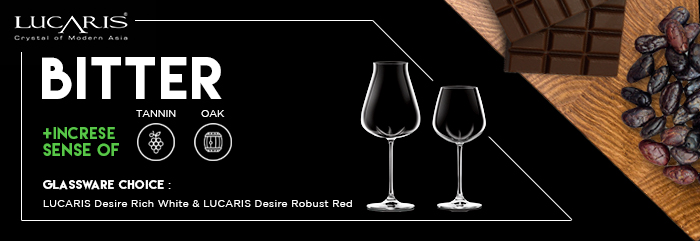
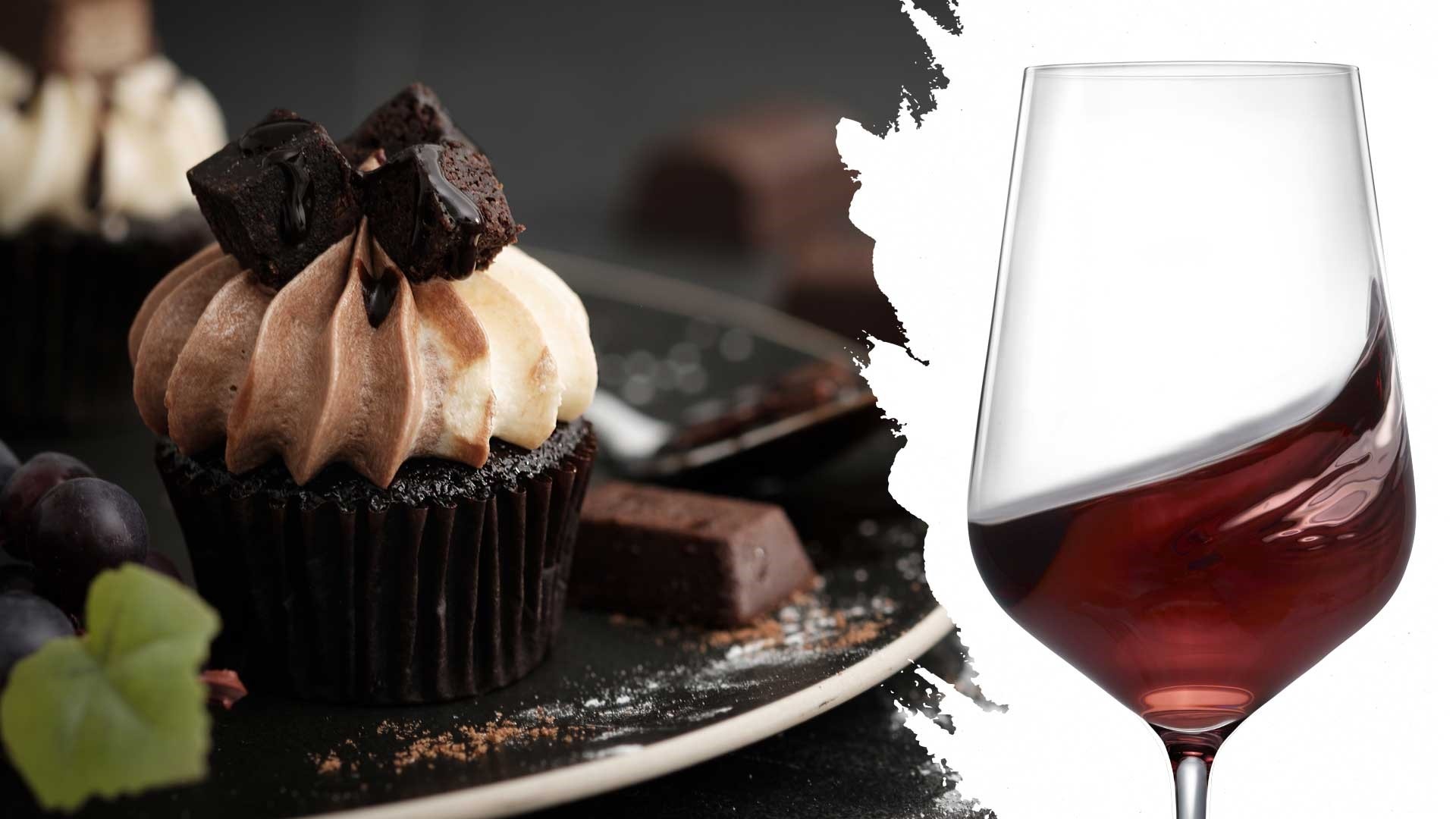
Chocolate, a classic favorite of all, is considered to be one of the most difficult ingredients to be paired with wine. Although many are of the opinion that it can’t be done, pairing chocolate with wine, choosing the right kind of wine to complement your chocolate can actually be a stellar pairing opportunity. Irrespective of the chocolate being white or dark, owing to its melty, buttery and mouth-coating texture, it’s very important for the wine to be strong enough to penetrate through its bitter-sweet taste. The key here is to make sure that the wine you have chosen is a little sweeter in taste than the chocolate. While a white chocolate, owing to its mellow, buttery flavor, goes well with the sweeter styles of Sherry or Italy’s Moscato d’Asti, a Zinfandel or Cabernet Sauvignon would do more justice to its darker counterpart.
Caramel and Nut
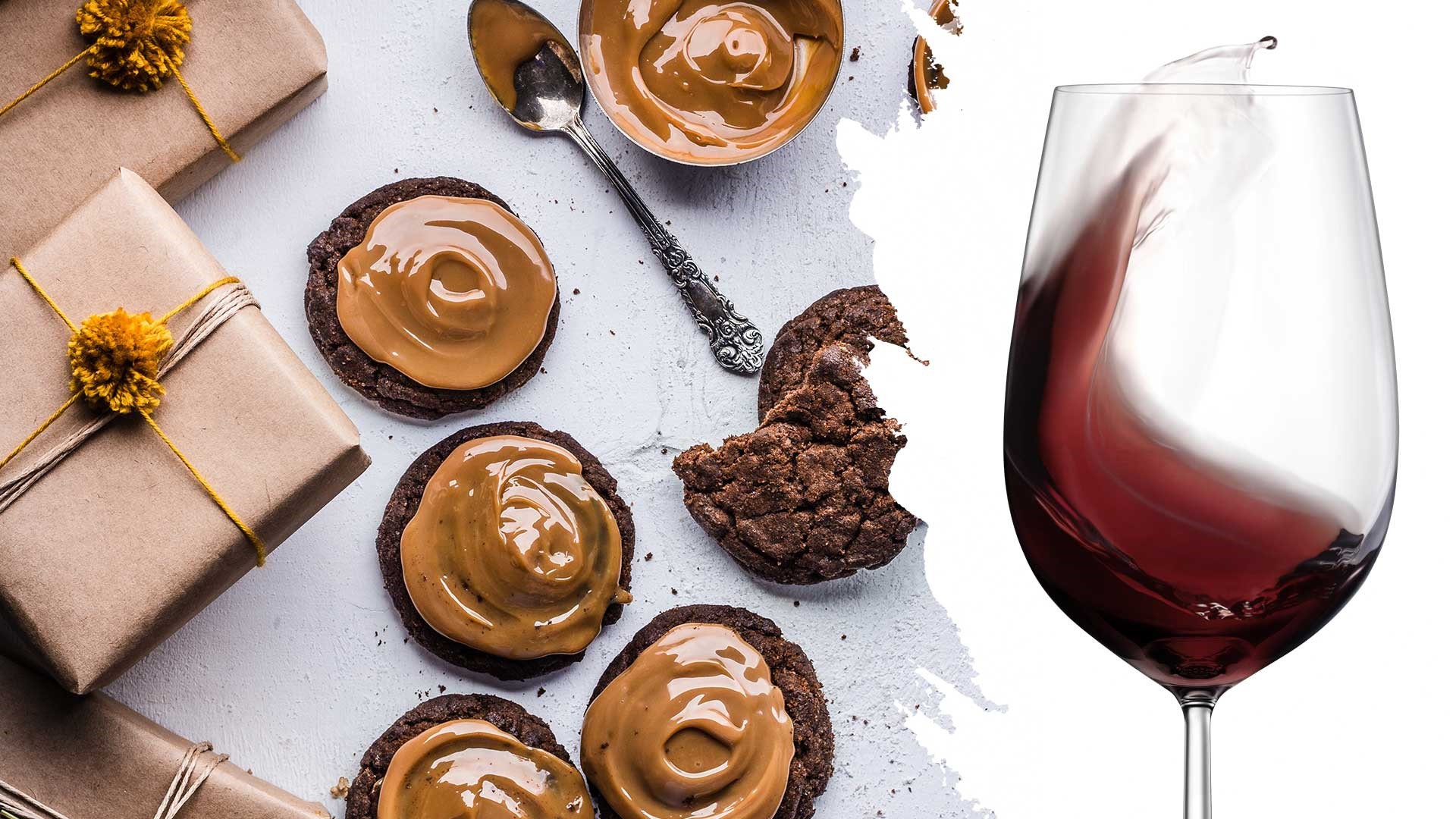
Are you a fan of a rich, thick and creamy sticky toffee pudding or a pumpkin pie or a buttery praline? These desserts, owing to their melty and sticky texture need to be paired with spicy, viscous and velvety, full-body dessert wines. While the ideal choices for such creamy desserts would be sweet Madeira or raisin-y Pedro Ximenez Sherry, Sauternes from Bordeaux or the Château Armajan des Ormes to prove to pair excellently with these thick decadent desserts.
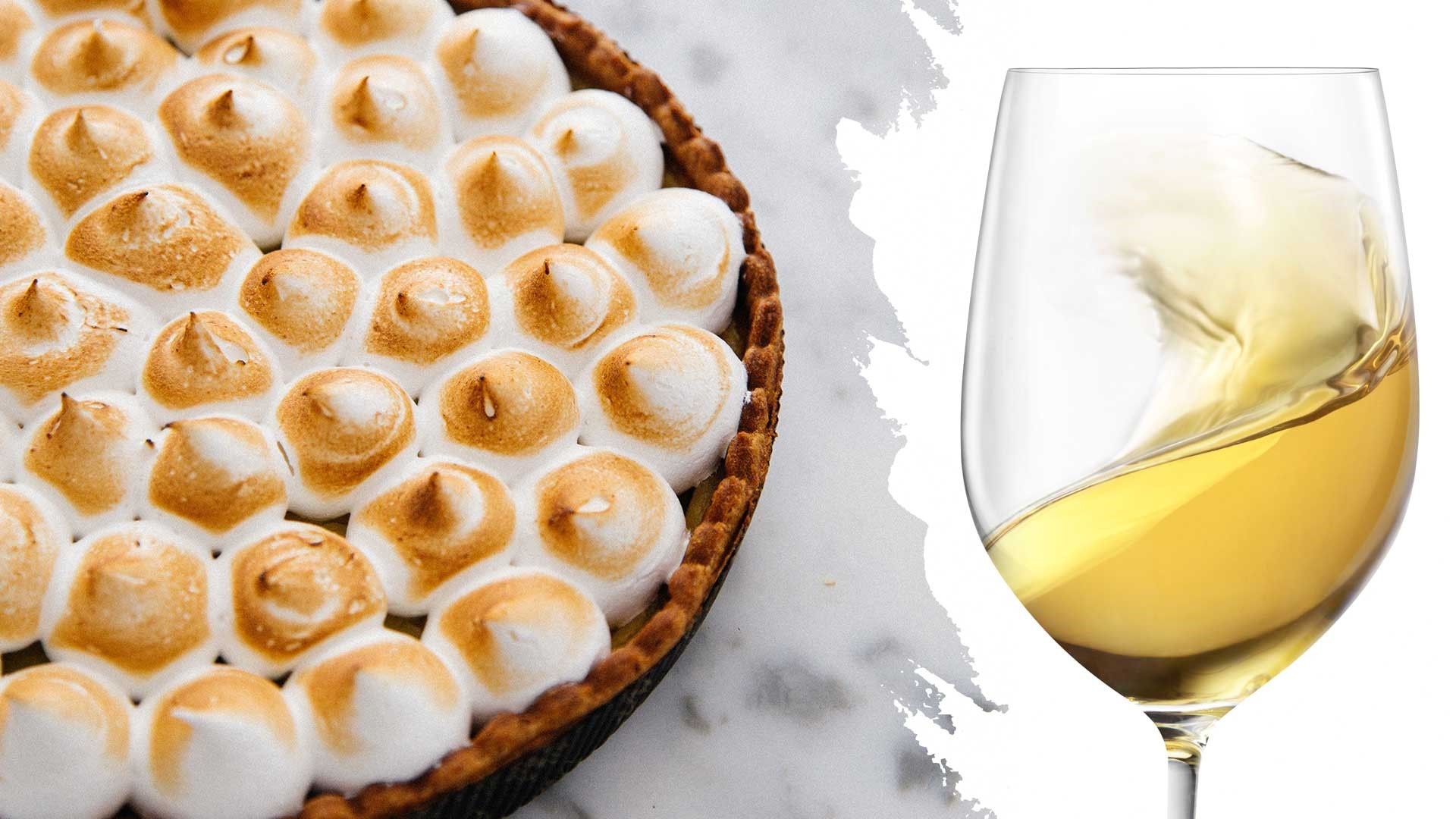
Fruit, Custard, and Meringue
The key of balance a tangy, citrusy fruit-based dessert or a meringue tart is weight! The weight and density of the wine play a major role when paired with a fruit-based dessert. Either fresh fruit flan or custard is going well with a tangy-sweet wine. For example, a dessert like Pavlova, made with fresh fruits and cream, making an excellent pairing with a sweet, orangey Chapoutier’s Muscat de Beaumes de Venise. Another delicious wine that matches up well to the tanginess of a meringue or a fruit pastry is Riesling Pinot Blanc.
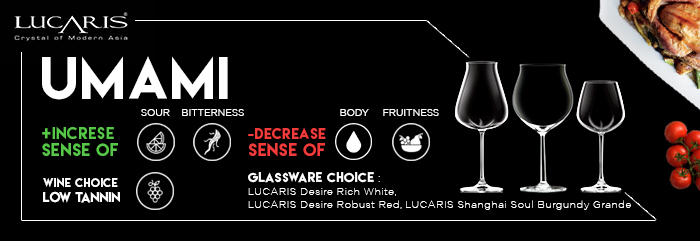
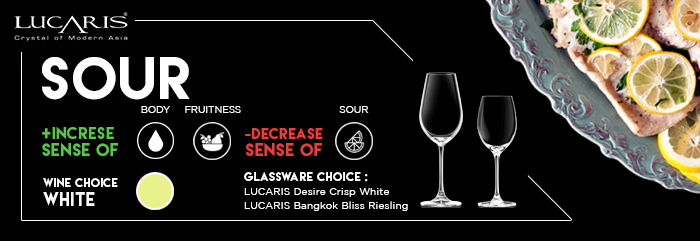
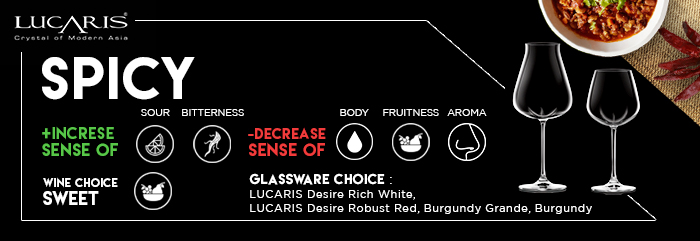
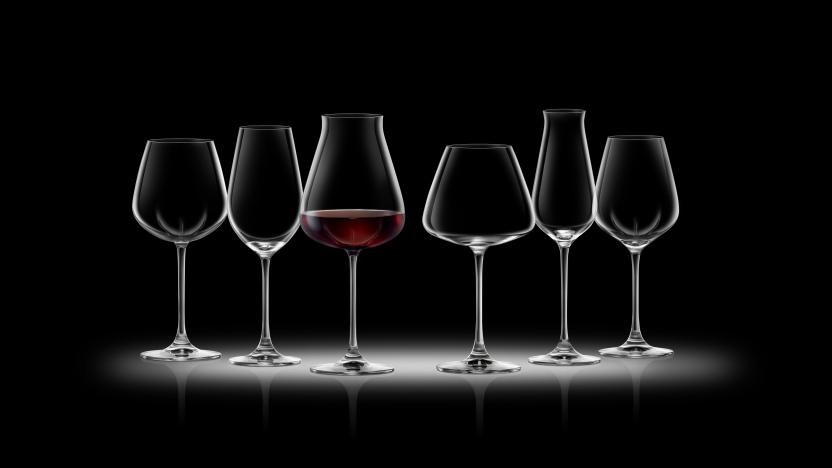
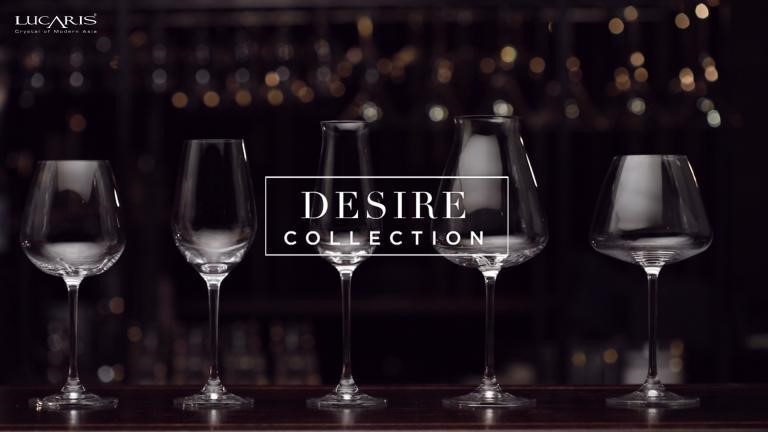
These were the top basic tricks for an excellent wine and dessert pairing. Although different desserts, based on their taste and texture, require to be paired with different wines, it is very important for the wine’s original flavor and aroma to be released well to tickle the taste buds. LUCARIS’s crystal wine glassware, equipped with the Aerlumer technology, helps the wine to oxygenize better, thus bringing out its authentic aroma
So irrespective of the dessert you choose for your date night, do not forget to pair it with a delicious wine served in LUCARIS glassware.
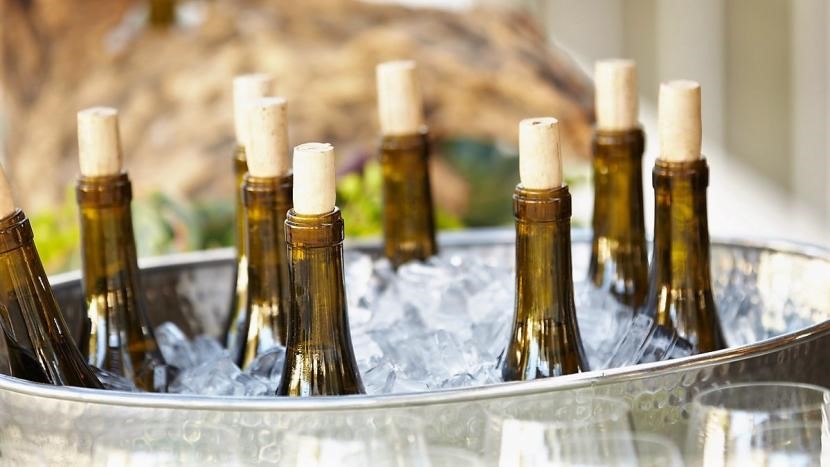








 From the right kind of glass to the right food pairing to the right age–there are several myths that shroud our wine drinking culture. Here we dispel some of the most ubiquitous wine myths to make your wine drinking experience more pleasurable We often come across myths and fallacies that are believed as easily as proven facts. Have you not heard of the common misconceptions like the colour red agitates bulls or that Napolean was a short man? Myths and tall tales exist everywhere, so why leave alone the world of wine? We burst the bubble of five popular wine myths to free your palate.
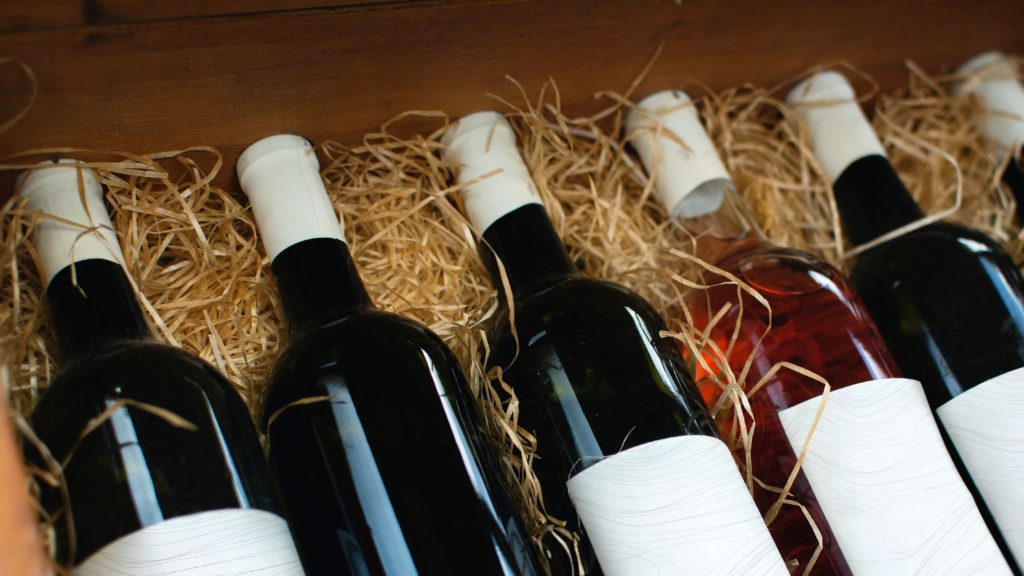
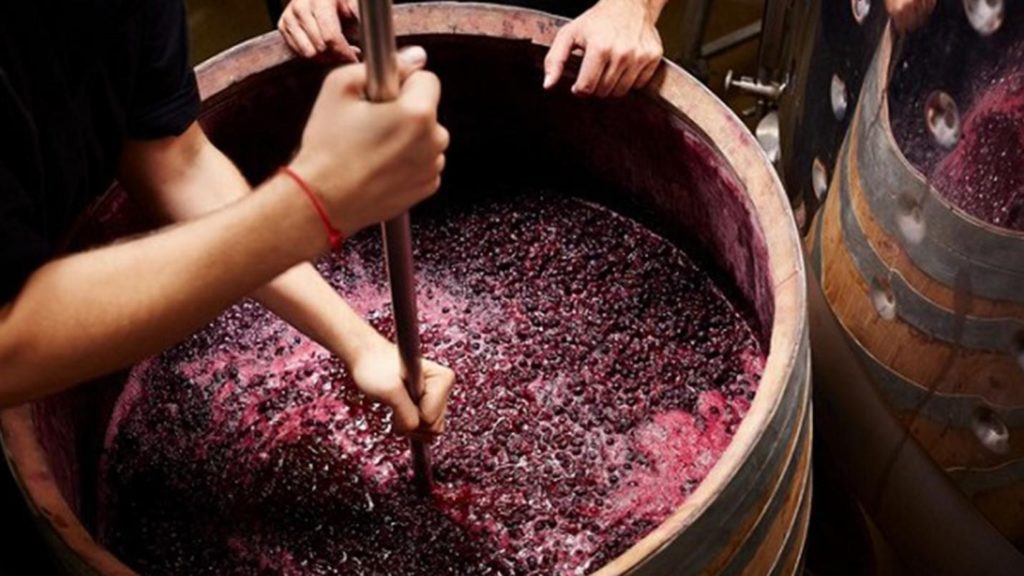
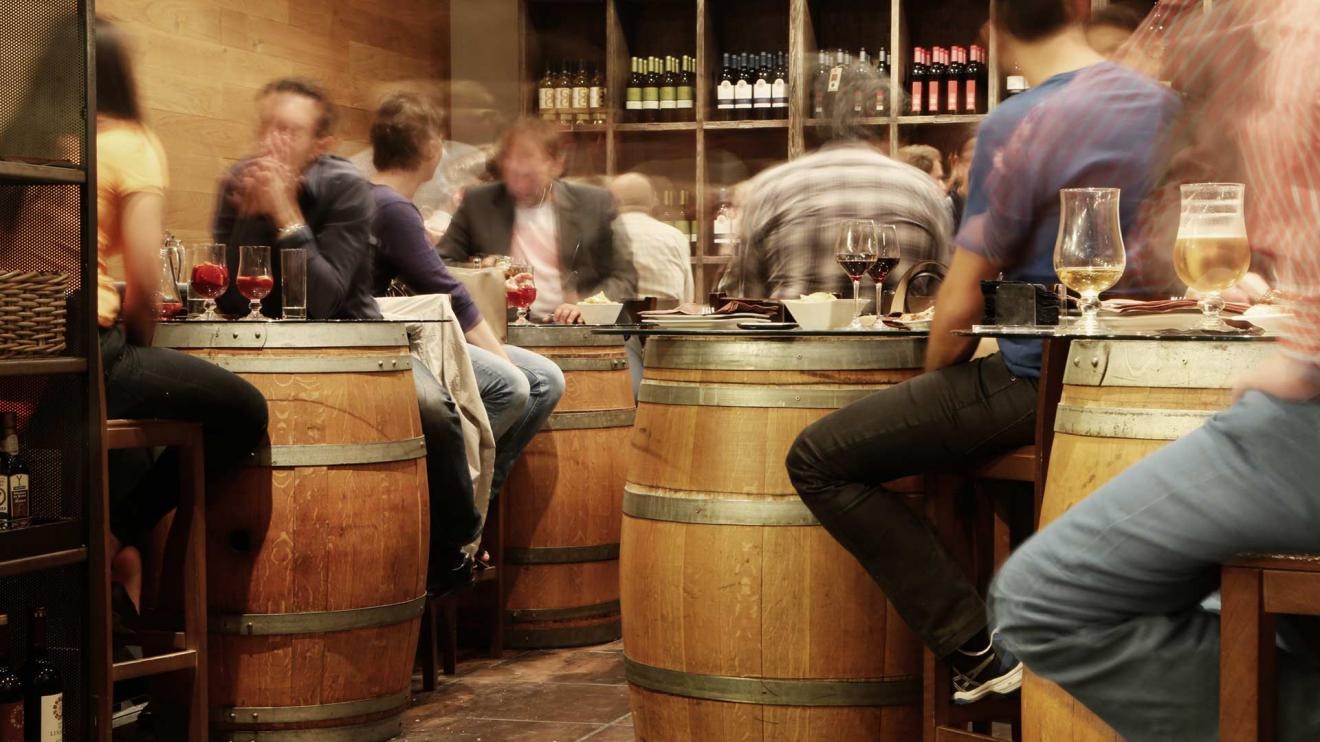
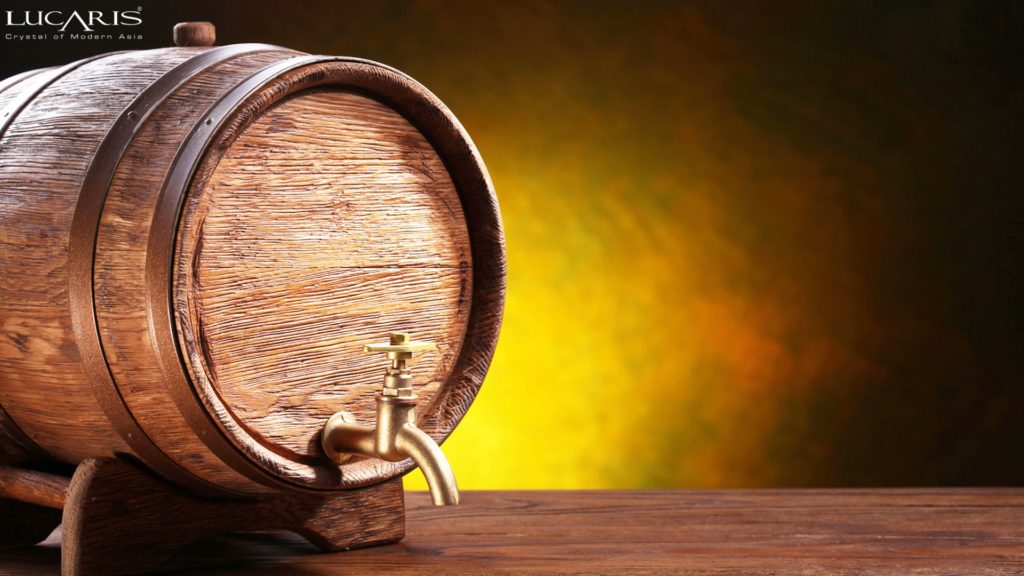 Using oak barrels has been one of the most traditional practices of aging wine and adding a smoky flavour. However, with the increasing demand for inexpensive, disposable bottles, it isn’t cost-effective to use these extravagant oak barrels. Instead, wineries have come up with the practice of using oak by-products to retain the same flavours that are available at a comparatively low cost. Oak chips and pieces, apart from liquid oak additives, are used to add the delectable smoky flavours to your favourite wine, making it delicious, and simultaneously affordable.
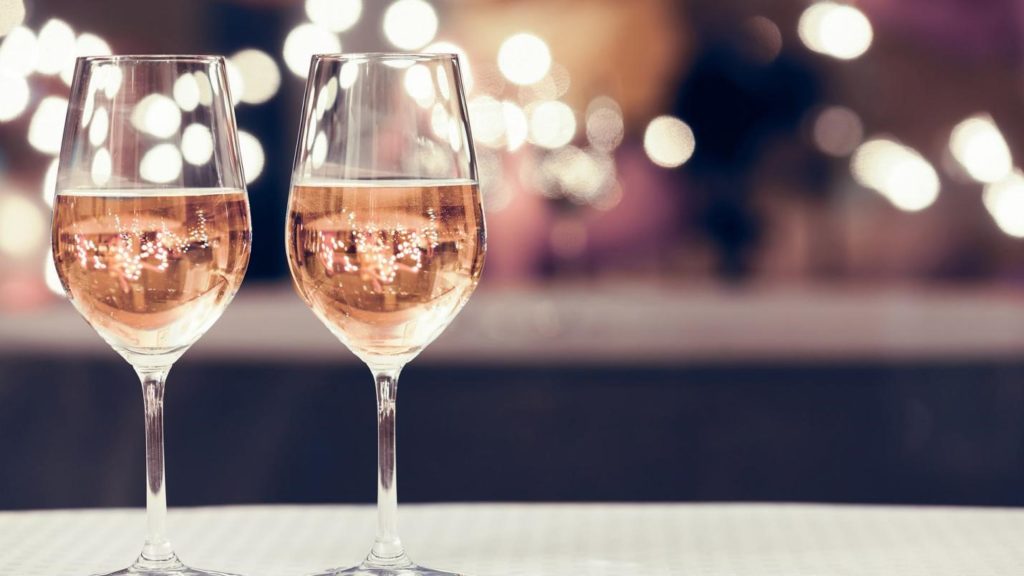
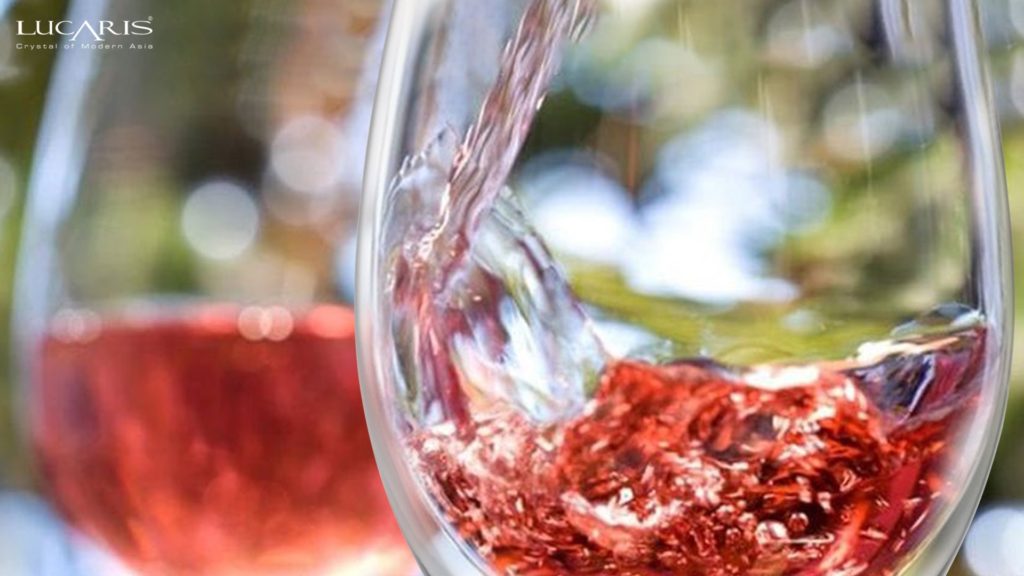 The soft sweet aroma of juicy berries and tropical citrus fruits make the rosé an ideal aperitif for summer. However, it is also a perfect accompaniment on the picnic table and can be a great pairing for your festive and celebratory meals. The sweet, refreshing and acidic palate of the rosé helps enhance the flavours on your plate and makes it an excellent drink all year round.
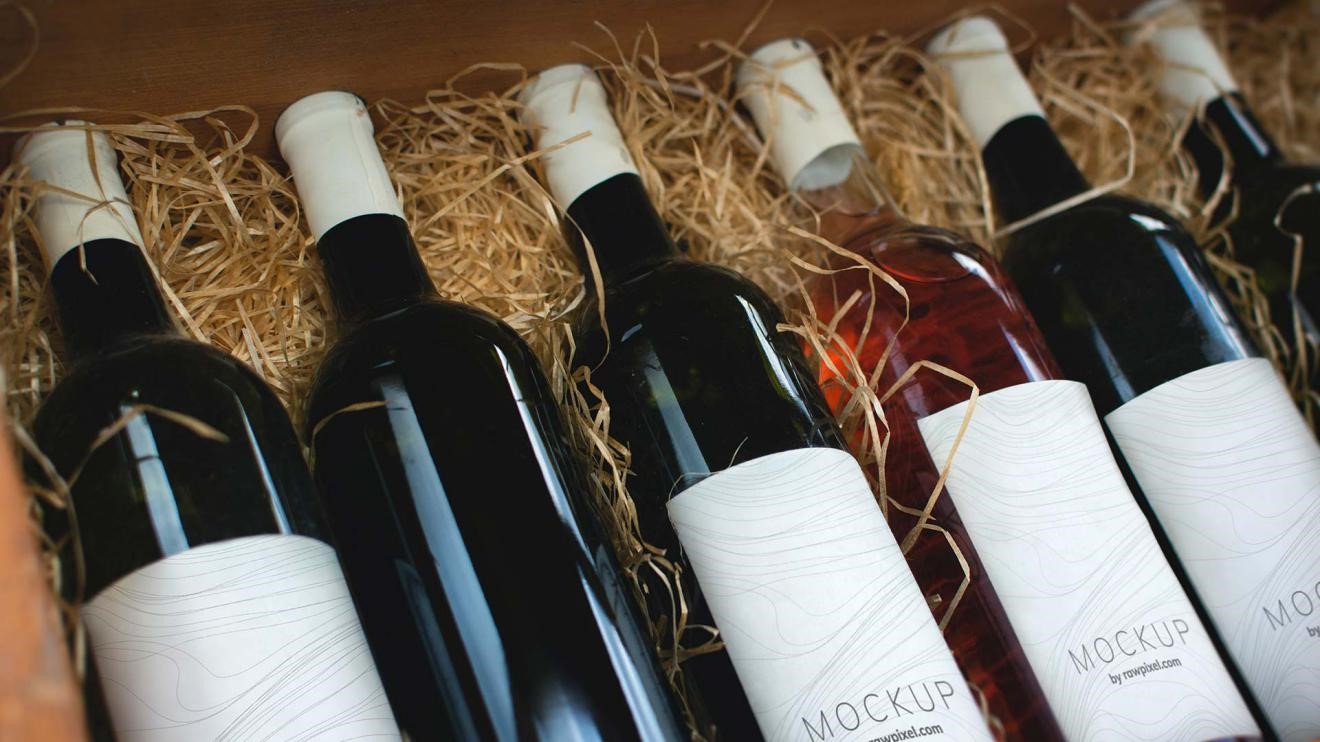
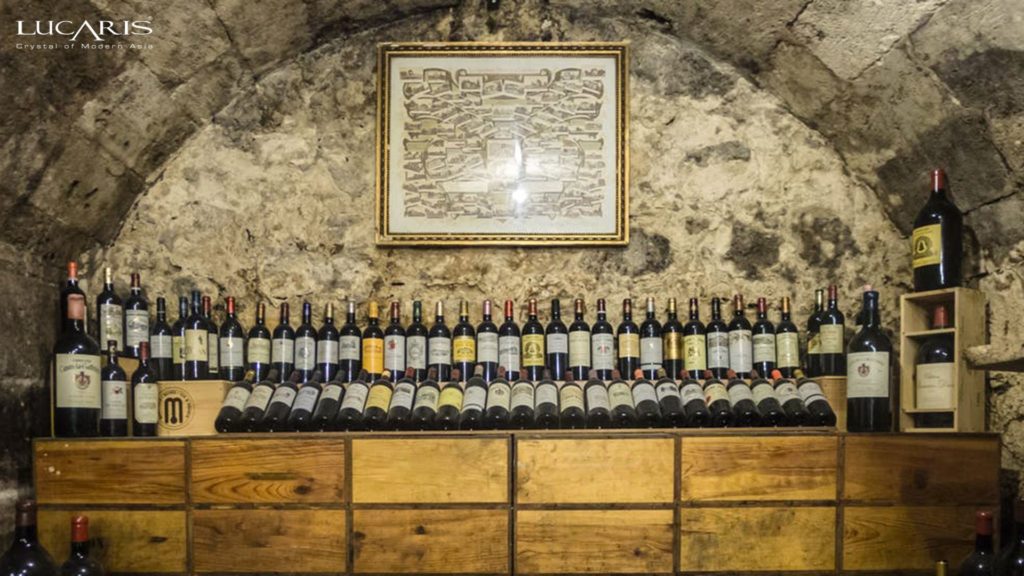 You may have often heard that the older the wine, the better its taste. However, the truth lies far away from this commonly held belief. While a certain fraction of wines might improve with time in terms of taste and quality, most of the bottles released for sale today, are ready to drink immediately with a limited shelf life. So, uncork your bottles now for they are better drunk sooner than later.
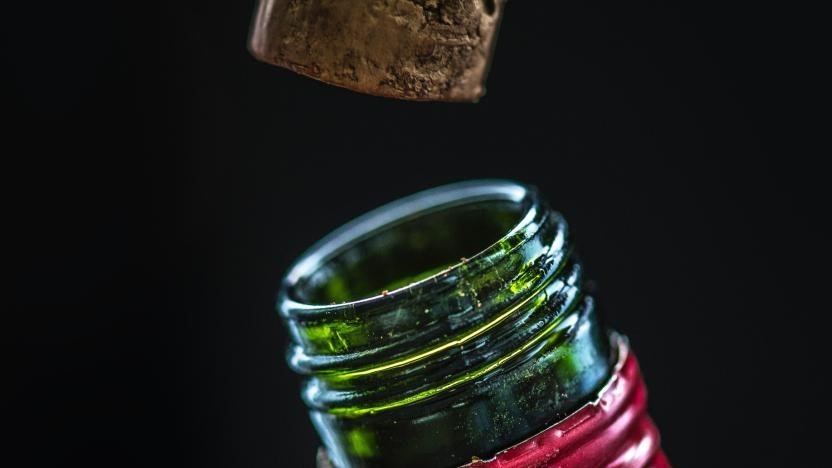
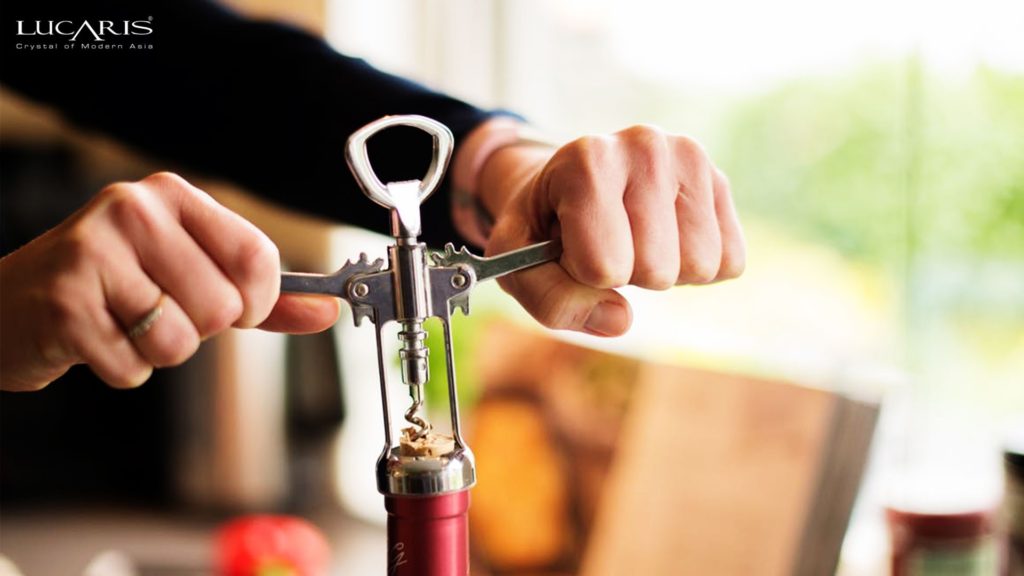 When was the last time you opened a bottle of wine and left it aside to breathe? Studies show that the common belief of letting a wine bottle stay open to enhance its taste is a myth! The practice of leaving a bottle open before chugging it down is simply an act of futility, as in most cases, the neck of the bottle is too narrow to let the wine come in contact with air.
The solution? Decant it. If you want to aerate your drink, the process of pouring the wine from one container to another, also known as decantation, and leaving it open for an hour in a wide-mouthed container is the only way to let it breathe. So, grab the bottle from the shelf and begin pouring.
Go ahead and uncork a bottle for a session of enjoyable and responsible drinking. Cheers!
When was the last time you opened a bottle of wine and left it aside to breathe? Studies show that the common belief of letting a wine bottle stay open to enhance its taste is a myth! The practice of leaving a bottle open before chugging it down is simply an act of futility, as in most cases, the neck of the bottle is too narrow to let the wine come in contact with air.
The solution? Decant it. If you want to aerate your drink, the process of pouring the wine from one container to another, also known as decantation, and leaving it open for an hour in a wide-mouthed container is the only way to let it breathe. So, grab the bottle from the shelf and begin pouring.
Go ahead and uncork a bottle for a session of enjoyable and responsible drinking. Cheers!